
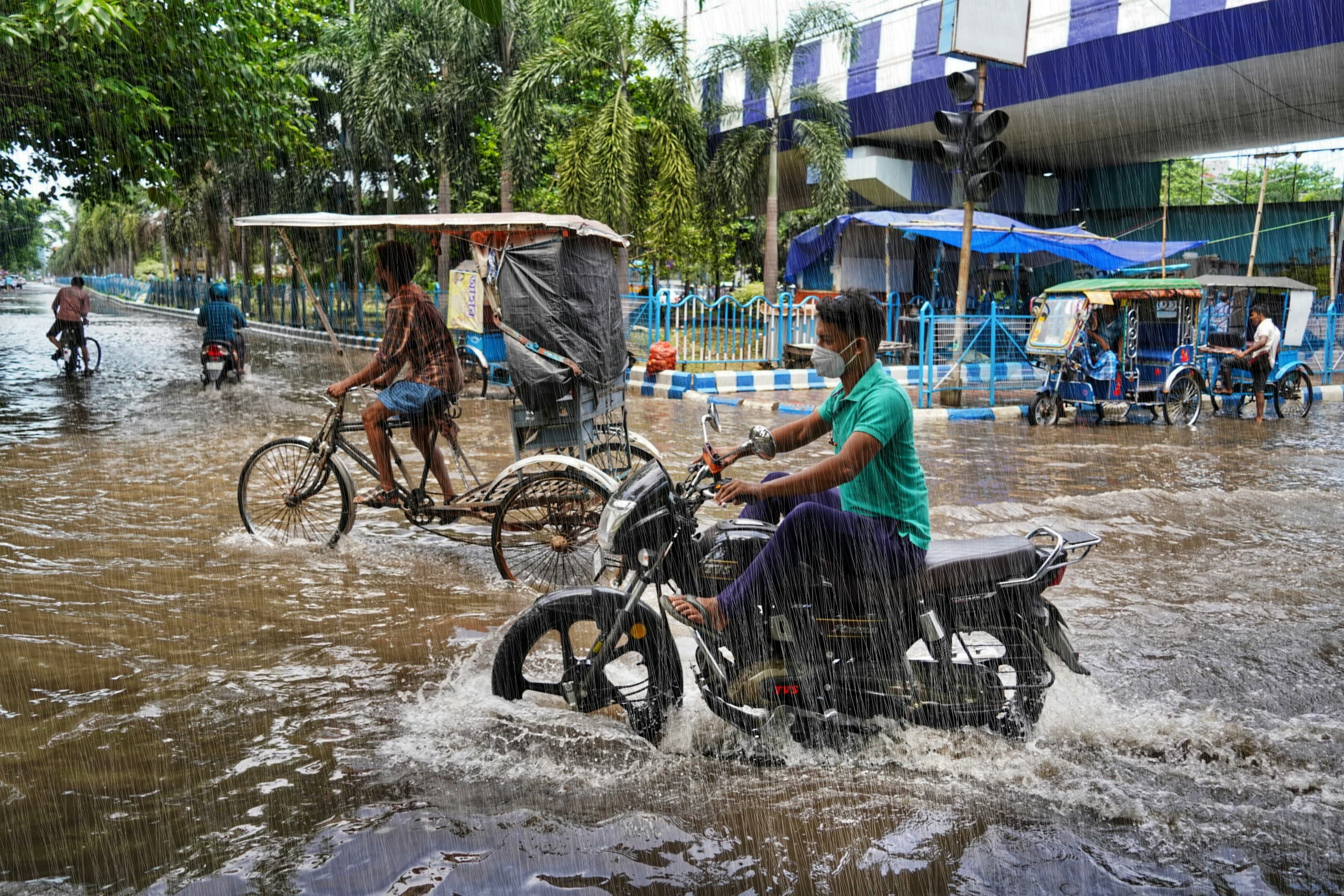
IWFM Highlights
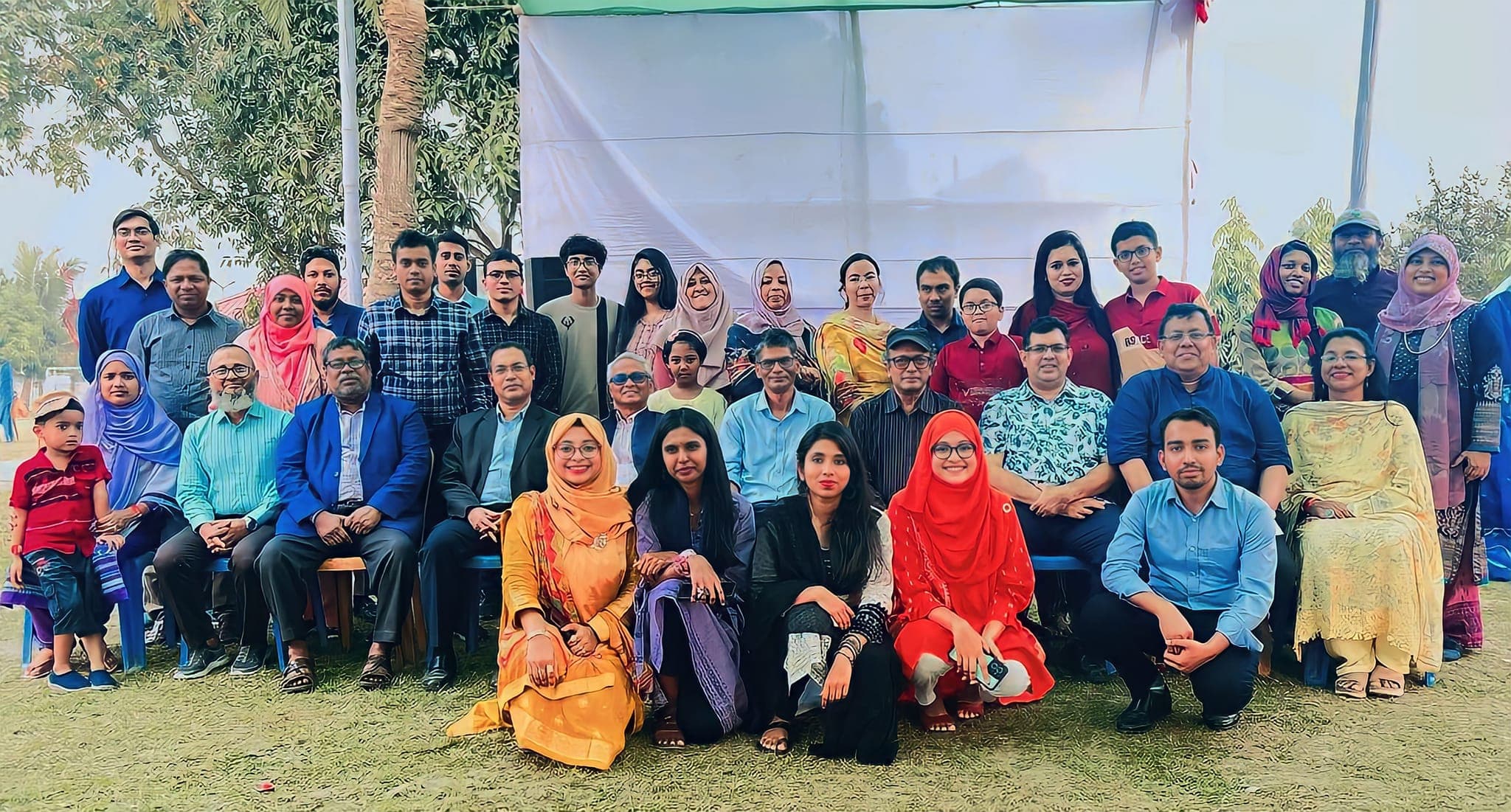
IWFM arranged a picnic for Faculty and Stuff at Mawa Resort on 15 February, 2024
 April 24, 2024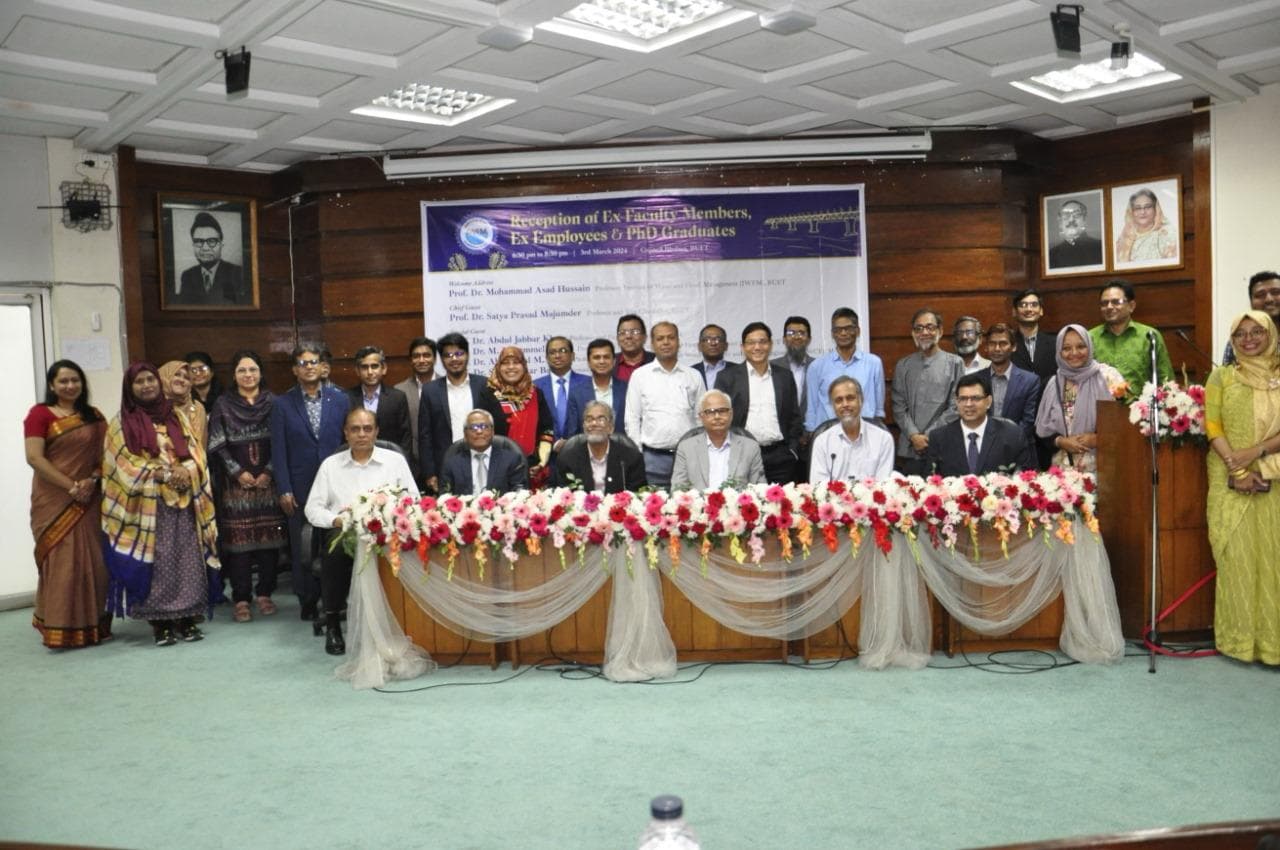
IWFM Day: Reception of Ex-Faculty Members, Employees and PhD Graduates on 3rd March 2024
Celebrating 50 Years of IWFM: Reception of Ex-Faculty Members, Ex-Employees and PhDGraduatesTo commemorate 50 years of the Institute of Water and Flood Management (IWFM) at BUET, a special reception was held at Council Bhaban, BUET on 3rd March 2024. Crests and certificates were awarded to the Ex-Faculty Members, Ex-Employees, and PhD Graduates to acknowledge their contribution towards the significant achievements of the institute. Prof. Dr. Satya Prasad Majumder, Vice Chancellor of BUET, graced the occasion as the Chief Guest. In addition, Prof. Dr. Abdul Jabbar Khan, Pro-Vice Chancellor of BUET, and Ex-Faculty members of IWFM Prof. Dr. M. Mozammel Haque, Prof. Dr. Abul Fazal M. Saleh, and Prof. Dr. Sujit Kumar Bala were present to glorify the event as Special Guests. The event was chaired by Prof. Dr. A.K.M. SaifulIslam, Director of IWFM, BUET.The program commenced with a welcome address by Prof. Dr. Mohammad Asad Hussain, IWFM,BUET, followed by the presentation of crests and certificates to the PhD Graduates, Ex-Employees,and Ex-Faculty Members.On behalf of the PhD Graduates, Dr. Md. Mahbubul Alam who is currently working in BangladeshRice Research Institute (BRRI), shared his experiences as a student and conveyed his gratitude towards the institute. Md. Akbar Hossain, an Ex-Senior Assistant Registrar, representing the Ex- Employees reminisced about his time at IWFM and thanked the organizers for arranging this joyous event to honor their contribution.Ex-Faculty members of IWFM Prof. Dr. M. Mozammel Haque, Prof. Dr. Abul Fazal M. Saleh, andProf. Dr. Sujit Kumar Bala reflected on their golden days at IWFM and expressed their wishes for the institute’s future progress. Honorable Chief Guest Prof. Dr. Satya Prasad Majumder, Vice Chancellor of BUET and Special Guest Prof. Dr. Abdul Jabbar Khan, Pro-Vice Chancellor of BUET commended IWFM for their advancements in research and education, extending their appreciation to the organizers for arrangingthis event.The program concluded with a vote of thanks by Prof. Dr. AKM Saiful Islam, Director of IWFM.Following the formal proceedings, the event’s announcer, Lecturer Fariha Islam Mou, announced the conclusion of the program and extended an invitation to the esteemed guests to partake in a dinner party. This provided an opportunity for them to reminisce cherished memories and engage in joyful conversations.This event united both current and former Faculty Members, as well as current and former Employees and PhD Graduates, who have been actively contributing to various sectors of the country’s development. It provided a special platform to recognize their contributions and commemorate the combined achievements that have shaped the journey of IWFM thus far.
March 24, 2024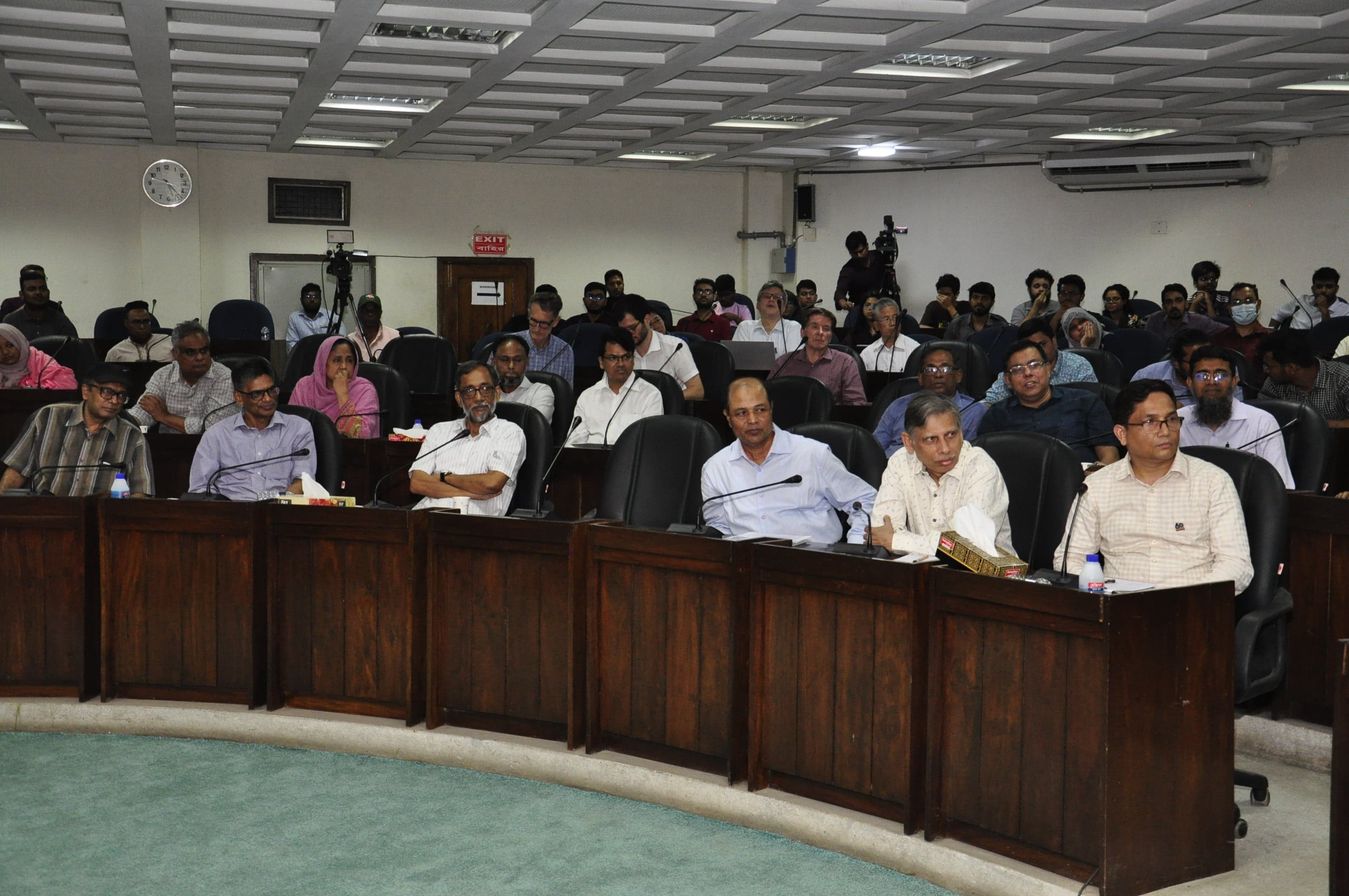
IWFM arranged a Workshop titled – “Managing the Future of the Brahmaputra Jamuna River Systems in Bangladesh”
Institute of Water and Flood Management (IWFM) arranged a workshop titled – ”Managing the Future of the Brahmaputra Jamuna River Systems in Bangladesh.” on the 13th of August 2023. The Director in Charge of IWFM, Prof. Anisul Haque, delivered the welcome speech before handing over the floor to Prof. Munsur Rahman, who delivered a lecture on the future of Brahmaputra-Jamuna River Management. The session was chaired by Prof. Ainun Nishat, Professor Emirates of BRAC University and Former Director of IWFM, BUET. Prof. Munsur Rahman started his presentation by acquainting the audience with the workshop’s purpose: to identify the current information and knowledge gaps related to the river and anticipate future insights to manage the river effectively. He highlighted past efforts to materialize the opportunities with encountering challenges in managing the Brahmaputra-Jamuna River system in Bangladesh. In particular, he discussed the bend-node (bifurcation-confluence) concept from the Flood Action Plan (FAP) developed after the devastating floods of 1987 and 1988 to implement systematic riverbank management. The workshop also focused on river corridor concepts, pilot projects, and existing research aimed at managing the river system’s future. Two schools of thought are currently advancing within the river corridor concept: (1) narrowing down the wide braided corridors and converting them into a prescribed meandering planform or (2) maintaining the natural braided corridor and stabilizing some bars within the corridor. He put a strong emphasis on carrying out a comprehensive investigation to assess the technical feasibility of both approaches on a long-term basis. He explained the unique braiding characteristics of Jamuna and presented the existing morpho-dynamic and eco-dynamic opportunities and challenges in managing the Brahmaputra-Jamuna River corridor. He also discussed the long-term morpho-dynamic and eco-dynamic implications of each proposed corridor concept for managing the river system’s future. The long-term response included the relationship between high bed degradation and high velocity, the formation of large bars, and the loss of classical braided features of the river. Professor Munsur and his team presented several recommendations, including: • Keeping provision of critical habitat dynamics associated with different levels of bars and channels.• Avoiding intervention to reduce the width or modify planforms from braided to meandering or stabilizing braided bars.• Establishing eco-friendly, nature-based solutions in addition to the existing conventional approaches in managing the future of the river systems against flooding and erosion.• Avoiding alteration of the inherent characteristics of the river system through future management interventions. Following Prof. Rahman’s lecture, Mr. Mahfuzur Rahman, the former Director General of the Bangladesh Water Development Board (BWDB), shared his professional experiences managing the Brahmaputra Jamuna River. He emphasized the importance of formulating a master plan to manage the Jamuna. Later, Prof. Abdul Matin shared his perspectives on river engineering in managing the Brahmaputra-Jamuna corridor. After that, Prof. Rezaur Rahman from IWFM took the stage and shed light on the socio-economic aspects of Brahmaputra-Jamuna management. He touched upon the topic of dolphin habitats in the river Jamuna. He strongly advocated against any interference or channelization of the river, urging to let the river flow in its natural course.The open discussion session was preceded by the chair, Prof. Ainun Nishat, during which all guests and experts shared their opinions on the topic. The attendees expressed their concern about biodiversity and recommended conducting further research, avoiding excessive encroachment on the river, analyzing past failures, and finding the most suitable technology for managing the river. Notably, Prof. Dr. Shahjahan Mondal brought up various concerns related to the social and ecological consequences, appropriate technology implementation, climate change, flood occurrences, and minimal intervention required to manage the Jamuna River. Professionals from the Bangladesh Water Development Board (BWDB) proposed implementing a detailed master plan in managing the river systems. However, some speakers raised concerns regarding the ecological issues that may arise in managing the river, Jamuna. Prof. Mashfiqus Salehin, from the Institute of Water and Flood Management (IWFM), proposed that it is crucial to involve all relevant stakeholders in reaching a consensus on how to effectively address the challenges related to the management of the Brahmaputra-Jamuna River systems in Bangladesh. He emphasized the importance of working collaboratively towards a solution that considers the various social, ecological, and technological aspects involved. Finally, the Workshop Chair, Prof. Ainun Nishat, gave his concluding speech, where he mentioned the Jamuna River stands as a one-of-a-kind braided system, unparalleled and incomparable to any other river found across the globe. It should be allowed to maintain its natural course. He also emphasized the importance of policymakers understanding its behavior and taking appropriate measures that ensure preservation of its diverse ecological characteristics.
May 16, 2023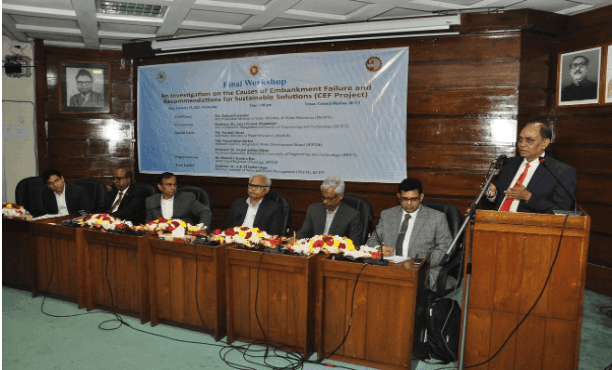
Workshop on investigation into causes of embankment failure held at BUET
The final workshop of a research project on “An Investigation on the Causes of Embankment Failure and Recommendations for Sustainable Solutions (CEF)” was held at the Council Building of Bangladesh University of Engineering and Technology (BUET) on February 15. The project was carried out by the Institute of Water and Flood Management (IWFM), BUET, funded by the Bangladesh Water Development Board (BWDB). The workshop began with an introductory speech by Dr Shamal Chandra Das, project director and additional chief engineer (planning), BWDB, who welcomed the guests and provided an overview of the research project. The keynote address was delivered by Prof AKM Saiful Islam, director of IWFM at BUET and team leader of the CEF Project. The study investigated the causes of failure in eight study sites by revisiting the existing design, one-two-three-dimensional (1D/2D/3D) hydro-morphological modelling, coastal and estuarine modelling, geotechnical investigation, and community perspectives on the failure and sustainable design of riverine and coastal embankments. In his presentation, Prof Saiful Islam made a few interesting recommendations such as — Regular monitoring and maintenance of the river training work (RTWs) are vital to increasing the effective life of the embankments. The designer should anticipate the excessive scours due to several hydro-morphological conditions and need to address them in design. Dredging as a means of bank protection measures needs a proper investigation to determine locations and volume of dredging. The ongoing dredging operation should be conducted as per the recommendations of the hydro-morphological study. Along with the strengthening of existing bank protection structures, the effectiveness of different types of channel guiding structures can be investigated, either in a single or combined way (ie, Groynes, Spurs, etc), as shown in this study. Nature-based sediment trapping options can be explored in the future and feedback from the community should be taken into consideration in the design. Special guests Md Nurul Islam Sarker, director general, BWDB, and Prof Abdul Jabbar Khan, pro-vice- chancellor, BUET, presented their valuable opinion regarding the study. Nurul Islam said the BWDB will adopt the significant findings of this study into the embankment andbank protection design. Prof Jabbar Khan thanked IWFM for carrying out such timely action research and capacity-building training for the professionals of the BWDB. Another special guest, Nazmul Ahsan, secretary of the Ministry of Water Resources, stressed that theembankment’s design methodology must account for the effects of climate change to meet the Sustainable Development Goal (SDG). The abrupt change in hydrological processes should be modelled numerically, and the results incorporated into the embankment design process, he said. He hoped the study’s findings will improve the current design process and ensure the long-term viability of embankment systems. State Minister for Water Resources Zaheed Farooque, who was the chief guest at the event, highlighted the government’s commitment to reducing disaster risks and achieving Sustainable Development Goals (SDGs) by 2030. He emphasized that climate change will not only raise the water level but will also cause longer duration, higher velocity, and stronger wave effect during floods, affecting the embankment’s stability. The state minister said researchers and practitioner engineers should collaborate to achieve the long-term goals of the Bangladesh Delta Plan (BDP 2100). He put emphasis on a few study recommendations, such as regular monitoring and maintenance of river training works, anticipating excessive scours due to various hydro-morphological conditions and the need to address them in design. Along with strengthening existing bank protection structures, different channel guiding structures’ effectiveness can be investigated, and community feedback should be incorporated into the design. While delivering the workshop’s concluding remarks, BUET Vice Chancellor Prof Satya Prasad Majumder emphasized that BUET faculty members from various departments and institutes will continue engaging in similar projects in the future to generate new knowledge and provide capacity-building for professionals working in the water sector.
February 22, 2023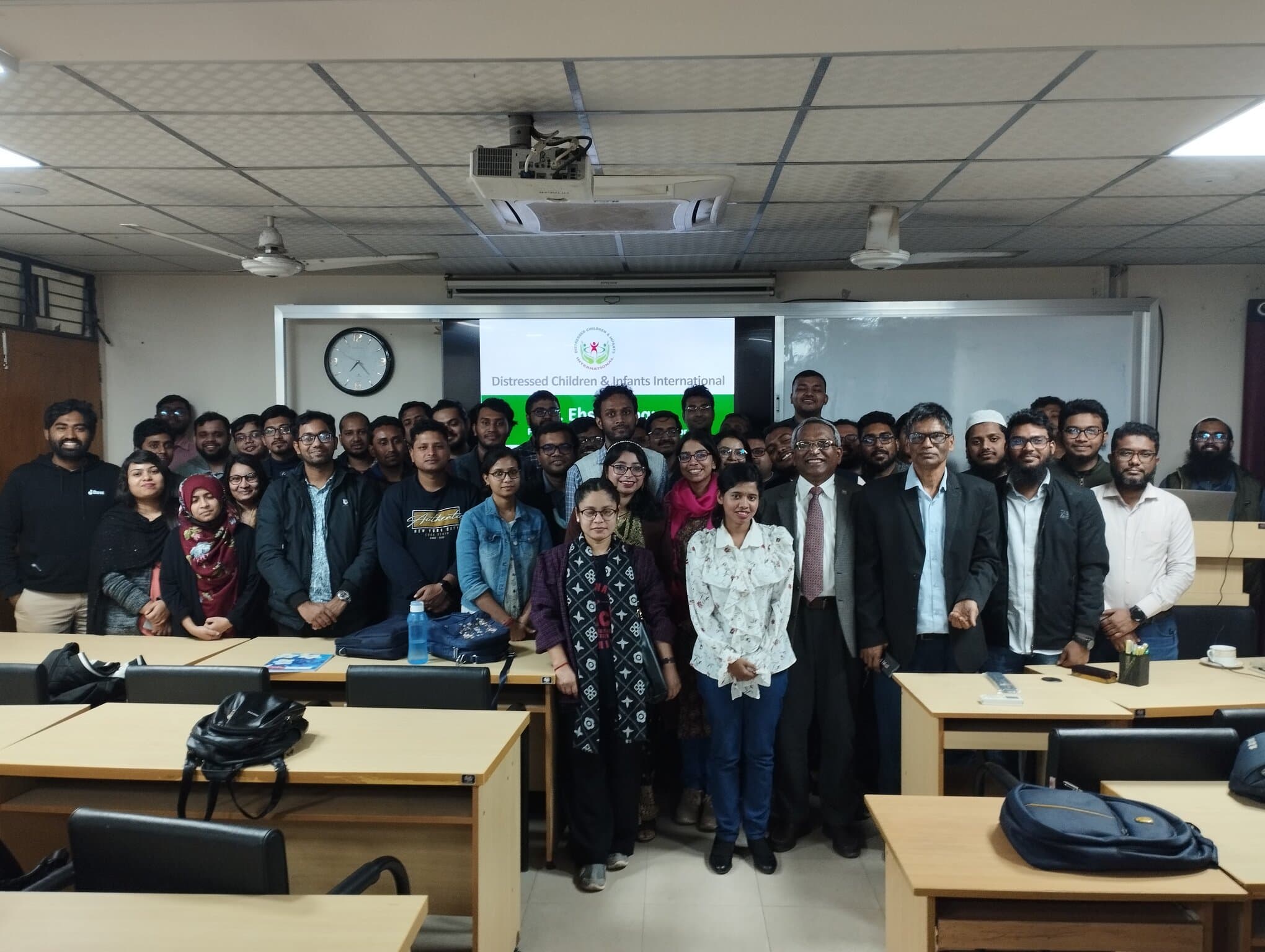
Short seminar at IWFM by Dr. Ehsan Hoque
Dr. Ehsan Hoque, Director and founder, Distressed Children & Infants International (DCI), United States of America (USA) gave a short seminar on the work of his organization Distressed Children & Infants International (DCI), United States of America (USA). He was visiting Bangladesh as an author and Session Chair to IPWE-2023 conference. The seminar Dr Hoque at the IWFM was arranged by Prof. Munsur sir and followed Prof. Munsur sir’s lecture on Sediment transport. Approx 40 IWFM students were present at the seminar. Dr. Ehsan Hoque is a physician, social entrepreneur, and advocate for children’s rights. He was born on March 13, 1964. Distressed Children & Infants International is an international non-profit organization with a base in the United States that works with underprivileged children and their families to end child labor, expand educational opportunities, and provide access to healthcare. He is the organization’s founder and honorary executive director. Dr. Hoque has worked at many organizations throughout the course of his career, including Yale University School of Medicine (USA), Asahikawa Medical University, Rajshahi Medical College Hospital (Bangladesh), Dhaka Shishu Hospital (Bangladesh), University of Western Ontario (Canada), University of Toronto (Canada), and Asahikawa Medical University (Japan).
January 17, 2023
The Bengal Water Machine: A nature-based solution to sustaining irrigation in the alluvial plains of Asia
The global rise in irrigation over the last half century has unquestionably improved the volume andresilience of food production to climate variability and change. However, groundwater depletion inthe world’s most productive food-growing regions now threatens global food security.Under Asia’s Green Revolution, use of shallow groundwater for irrigated rice production during thedry season by smallholder farmers rose dramatically and continues to occur from large alluvialaquifers within seasonally humid river basins. Today, Asian farmers account for 90% of the world’srice production. Conventional approaches to the storage of seasonal river flow employ dams butthe low-lying relief of densely populated alluvial plains challenges the implementation of suchinfrastructure. A new study published today in Science highlights an alternative solution to freshwater storage inthe Bengal Basin of Bangladesh whereby incremental increases in dry-season groundwaterpumping for irrigation lower groundwater levels and enhance leakage under gravity of surfacewater from rivers, ponds and canals during the subsequent monsoon. The authors describe thisbroad set of recharge pathways induced by dry-season groundwater pumping as ‘The BengalWater Machine’. As the study’s Lead Author, Dr. Mohammad Shamsudduha of UCL IRDR, argues, “this interventionseeks to increase the capture and storage of seasonal freshwater surpluses while mitigating themonsoonal flood risk.”“We quantify for the first time this nature-based solution to seasonal freshwater storage capture,showing that the collective operation of ~16 million smallholder farmers in Bangladesh from 1988to 2018 has induced cumulative freshwater capture of between 75 and 90 cubic kilometres, avolume that is equivalent to the combined reservoir capacities of the Three Gorges and HooverDams.” The authors’ research also highlights limitations to the operation of the Bengal Water Machine inareas of Bangladesh where induced monsoonal recharge is insufficient to fully replenishgroundwater abstracted during the dry season, depleting groundwater storage and renderinggroundwater inaccessible to households reliant on shallow wells. Professor Kazi Matin Ahmed ofDhaka University, a co-author of the study, cautions “It is vital to assess the suitability of locationsfor the operation of The Bengal Water Machine in order to maximise benefits to farmers andminimise the risks of groundwater depletion.” The authors’ calculations are rooted in analysis of 465 multi-decadal records of groundwater levelsacross Bangladesh. As co-author Dr Anward Zahid of the Bangladesh Water Development Boardnotes, “our findings highlight the importance of long-term hydrological monitoring to assess thestatus and trends of country's groundwater resources.” The study’s other Lead Author, Professor Richard Taylor of UCL Geography, points out, “thisscalable, decentralised form of freshwater capture has sustained irrigated food production despitesubstantial variations in annual rainfall and an overall decline in basin rainfall since the 1990s. Assuch, our analysis has profound implications for the expansion and optimisation of this vital, under-recognized engineering marvel that sustains irrigated food production within alluvial plains of theseasonally humid tropics. In a warming world, the demonstrated resilience of this conjunctive useof surface water and groundwater to hydrological extremes amplified by climate change, is ofstrategic importance to global food security.” Co-author Dr. Sara Nowreen of the Bangladesh University of Engineering and Technology arguesfor “the piloting of the operation of The Bengal Water Machine in suitable areas before upscalingmore widely to address uncertainties in its operation to monsoonal variability under climatechange.”
September 18, 2022
Proceedings from the 8th International Conference on Water and Flood Management (Published by Springer Nature Switzerland AG 2020)
See the Proceedings on Springer Introduction This book brings together a selection of best papers from The International Conference on Water and Flood Management, Bangladesh, 2021. The book chapters are based on contributions from multidisciplinary fields, such as nature-based solutions, hydro-meteorological forecasting, river restoration, coastal risk, episodic natural hazards, water risk and resilience, climate-resilient infrastructure, blue economy, and water management during the COVID-19 pandemic. With changing physical and socioeconomic risks due to changes in climate and anthropogenic interventions, integrated approaches to analyzing these processes and their interactions, along with integrating nature-based solutions, are gaining traction. With this special focus on science, policy, and practice to ensure sustainability in the water sector, the conference provided a platform for researchers, policymakers, and practitioners to exchange their knowledge and experience. Keywords Nature-based Solution, Coastal Risks, Sustainable Environment, Hazard Resilience, Water Conservation, Livelihood Security, Water Governance, Climate Change, Ecosystem Managementhttps://link.springer.com/book/10.1007/978-3-030-95722-3#toc Editors and Affiliations G M Tarekul Islam Professor, Institute of Water and Flood Management (IWFM)Bangladesh University of Engineering and Technology (BUET), Dhaka, Bangladesh Shampa Assistant Professor, Institute of Water and Flood Management (IWFM)Bangladesh University of Engineering and Technology (BUET), Dhaka, Bangladesh Ahmed Ishtiaque Amin Chowdhury Assistant Professor, Institute of Water and Flood Management (IWFM)Bangladesh University of Engineering and Technology (BUET), Dhaka, Bangladesh Bibliographic Information Book Title: Water Management: A View from Multidisciplinary Perspectives Book Subtitle: 8th International Conference on Water and Flood Management Editors: G. M. Tarekul Islam, Shampa, Ahmed Ishtiaque Amin Chowdhury DOI: https://doi.org/10.1007/978-3-030-95722-3 Copyright Information: The Editor(s) (if applicable) and The Author(s), under exclusive license to Springer Nature Switzerland AG 2022 Publisher Name: Springer, Cham Hardcover ISBN: 978-3-030-95721-6 Softcover ISBN: 978-3-030-95724-7 See PDF Preview
April 18, 2022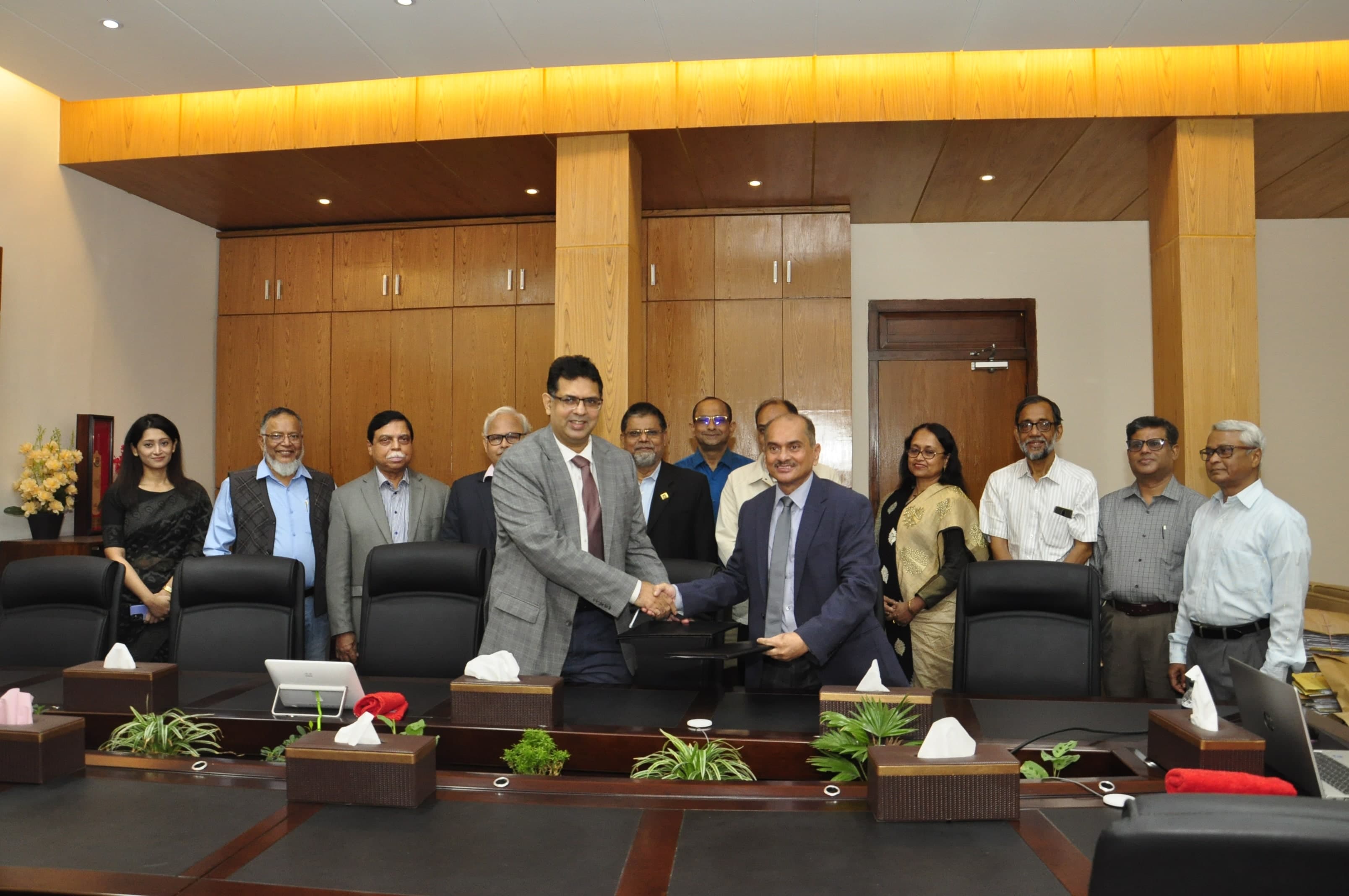
IWFM-BWP MoU signing ceremony
A Memorandum of Understanding (MoU) was signed between Bangladesh Water Partnership (BWP) and the Institute of Water and Flood Management (IWFM) on February 20, 2023 at Vice Chancellor’s office at BUET. The signing ceremony was attended by Prof. Dr. Satya Prasad Majumder, Vice Chancellor, and Prof. Dr. Abdul Jabbar Khan, Pro- Vice Chancellor of BUET. On behalf of IWFM, Prof. Dr. AKM Saiful Islam, Director, of the institute has signed the MoU. Engr. Moshiur Rahman, President BWP, signed the MoU of behalf of BWP. The BWP delegation also consisted of Md. Siddiqur Rahman, Secretary-General of BWP; Sheikh Mohd. Nurul Islam, Treasurer of BWP; Dr. Prof. Monowar Hossain, Regional Council Member of GWP-SAS and Former Executive Director, IWM; Ms. Nayeema Naznin Naz, Regional Council Member of GWP-SAS, attended the signing ceremony. Prof. Dr. Mohammad Rezaur Rahman, Prof. Dr. G M Tarekul Islam, and Prof. Dr. Sujit Kumar Bala of IWFM were also present in the MoU ceremony. The collaboration aims to exchange knowledge, share data, and co-develop and implement study projects related to BWP and IWFM’s mission and vision. This includes providing guidance to students for research, offering internship and volunteer opportunities, facilitating joint research projects, exchanging expertise and research innovations, conducting capacity-building training, and assisting in formulating public policy priority actions. The underlying goal is to contribute to achieving the Sustainable Development Goals and the BDP 2100 goals and targets. In addition to the activities previously mentioned, the collaboration will also promote gender and youth activities. Both parties will work together to develop relevant gender expertise and enhance the capacities of youth through a shared plan. IWFM will help to capacitate relevant staff and partners of BWP with knowledge, understanding, experience, and skills to mainstream gender and diversity in their work effectively. BWP will collaborate with IWFM to develop a youth leader, to increase the number of efficient young water leaders in the sector.
February 22, 2022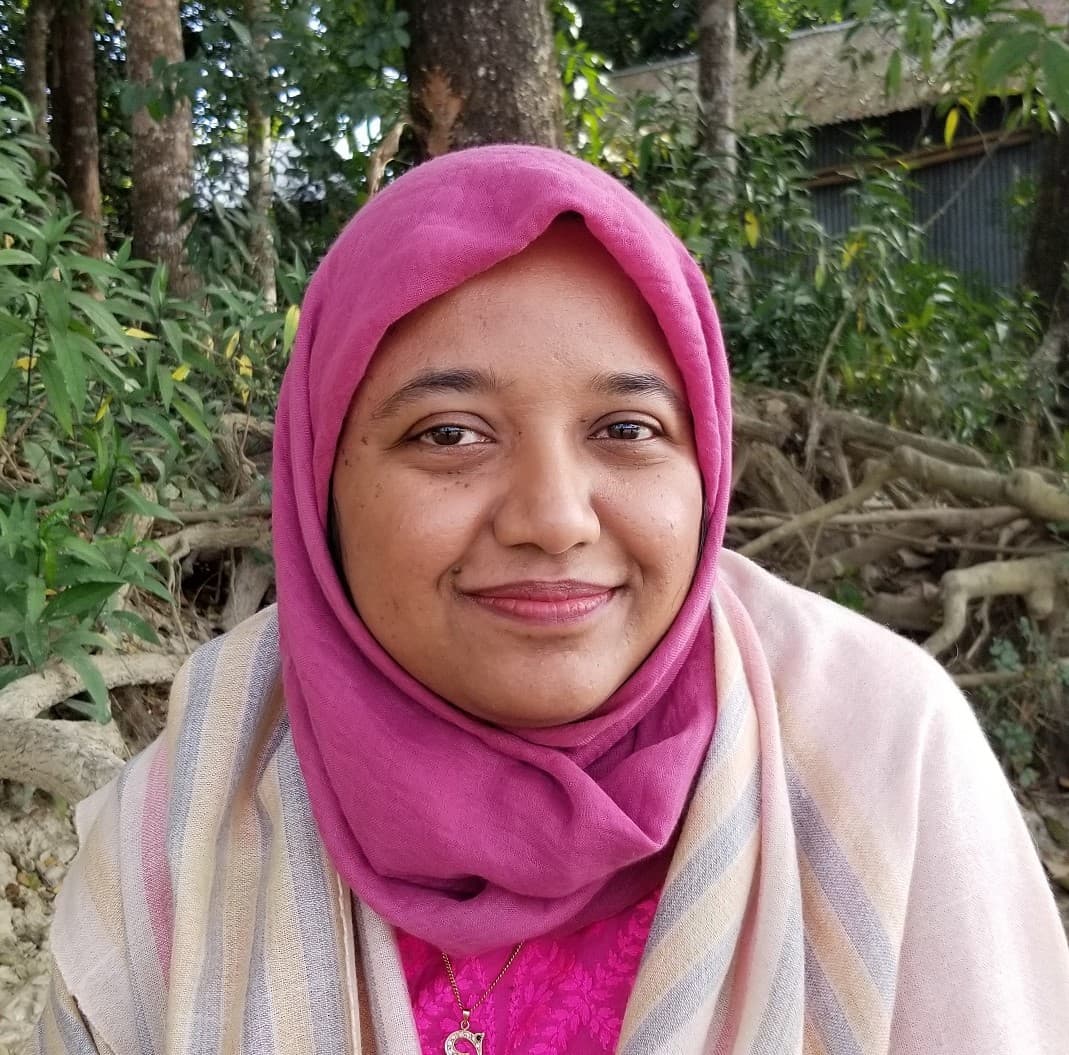
Congratulations to Dr Sonia Binte Murshed for joining as an Associate Professor of the Institute of Water and Flood Management (IWFM), BUET.
Dr Sonia Binte Murshed joined the institute on June 30, 2009 as a Lecturer and became an Assistant Professor on October 10, 2012. Her research interest is on Integrated Water Resources Management, Hydro-climatology, Hydro-morphology, and Water Conflict Management. One of her co-authored article titled as “Changes of rainfall extremes around the haor basin areas of Bangladesh using multi-member ensemble RCM” (published on Theoretical and Applied Climatology, Springer) has been cited 55 times since 2014. IWFM, BUET wishes her all the best for her future journey.
January 5, 2022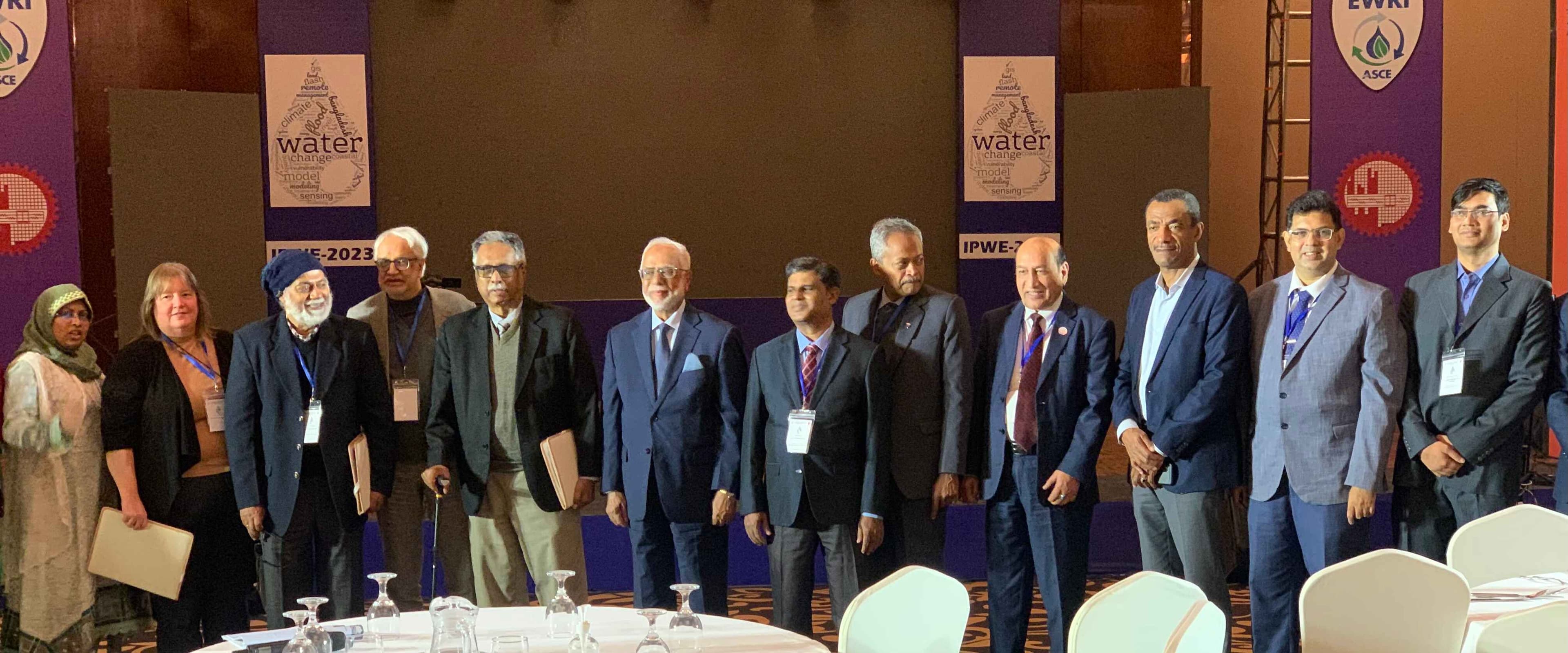
International Perspectives on Water Resources and the Environment (IPWE) Conference-2023 Conference has been completed successfully
IPWE-2023 Conference at Dhaka, Bangladesh The Environmental & Water Resources Institute of the American Society of Civil Engineers (ASCE-EWRI), in partnership with the Bangladesh University of Engineering and Technology (BUET-IWFM), is pleased to organize the 11th IPWE Conference in Dhaka, Bangladesh, during 4 – 6 January 2023 in Pan Pacific Sonargaon, Dhaka. The centerpiece of the Conference is a hybrid summit/round table conference held both in Dhaka, Bangladesh, and Reston, Virginia, and was also broadcasted online. This Conference created a platform for professionals to share knowledge, network, and gain perspective on water resource issues unique to the conference destination. This conference provided a wide variety of technical presentations on water resources and the environment, high-caliber keynote speakers, social networking and cultural events, and the opportunity to interact with colleagues on an international level. The Conference focused on water resources, and the environment and included plenary and technical sessions with topics of interest for both developed and developing countries. The program design encouraged broad participation by a wide variety of water/environmental professionals, including engineers, scientists, planners, and legislative and academic professionals around the globe. A total of 145 papers were selected to present at the Conference by participants from 13 countries, including Bangladesh, USA, India, Japan, Sri Lanka, Canada, Nepal, Switzerland, Thailand, Germany, the Netherlands, China, and Vienna. The general themes of the technical presentations included Impacts of Climate Change, Flood Risk and Resiliency, Surface Water Hydrology, Water Sustainability, Coastal Dynamics and Modelling, Water Supply, and Treatment, Information System for Water Resources, Sustainable Development, Health Impact of Climate Change. In addition to 24 technical sessions, there were four keynote sessions on a) FlexMat for Bank Protection by Mr. David Maclean, CEO, 7SEAS Group, Australia, b) Water Resources Management – Identifying Challenges by Dr. Kamal Laksiri, F.ASCE, Governor, ASCE Region 10, Sri Lanka, c) Nuclear Energy and the Environment by Prof. Dr. Chaitanyamoy Ganguly, India, and d) Flash Floods by Prof. Dr. Ekkehard Holzbecher, Germany. High Level Conference Delegations meeting with honorable Vice-Chancellor, BUET A high-level delegation from the United States consisting of Professor Dr. Shirley E. Clark, President-Elect, EWRI and Brian Parsons, Managing Director, EWRI led by Maria C. Lehman, President, ASCE as well Dr. Shaheed Hossain, Special Assistant to the Prime Minister of Bangladesh visited BUET on the 3rd January, 2023. The delegation team met with faculty members of the Department of Civil Engineering and members of ASCE Student Chapter of BUET. They also paid a short visit to the civil engineering labs, and academic and research facilities of the department. followed by a press briefing and ice-breaking session held at the Council Building, BUET. Representatives of a number of printed and electronic media were present at the event. The delegation team met with Prof. Dr. Satya Prasad Majumder, Vice-Chancellor of BUET, and Prof. Abdul Jabbar Khan, Pro-Vice-Chancellor of BUET. Prof. Dr. A.K.M. Saiful Islam, Director, IWFM, and Prof. Dr. Mohammad Rezaur Rahman, Conference Co-Chair, IPWE-2023 as well as Dr. Sufian Khondker, Conference Chair, IPWE-2023, were also present at the meeting. The team discussed advancing collaboration between BUET and ASCE to promote academic research and student activity. They also discussed the role of IWFM in advancing research and its contribution to Bangladesh’s water sector. The team agreed upon co-producing a letter of commitment for further strengthening the ASCE-BUET collaboration. Inaugural Session The inaugural session was held at the Grand Ball Room of Hotel Pan Pacific Sonargaon, Dhaka on the January 4th, 2023. Around 400 people were present, including authors, participants, keynote speakers, session chairs, and delegates from home and abroad. Dr. Sufian Khondker, Conference Chair, delivered the welcome speech at the very beginning of the inaugural/plenary session. A keynote “Resiliency in the Time of Climate Change” was delivered by Maria C. Lehman, President, ASCE. The audience was addressed by the Chief Guest H.E. Honorable Prime Minister Sheikh Hasina MP, Government of Bangladesh. She delivered an excellent speech at the event. The gathering was addressed by Prof. Dr. Satya Prasad Majumder, Vice-Chancellor, BUET as well as the ASCE delegation. The Inaugural session was concluded with a vote of thanks by Prof Dr. A.K.M. Saiful Islam, Director of IWFM, BUET. The plenary session was followed by a keynote speech on “Flex Mat” by Mr. David Maclean, CEO, 7SEAS Group, Australia. Mr. Md. Tajul Islam, Minister of Local Government, Rural Development and Cooperatives chaired the session. Summit/Round Table Session: The first summit session was held at the Reston, VA, USA on January 4th, 2023 in person and was broadcast to Dhaka, Bangladesh. The topics at the Reston Summit were: 1. The Comprehensive Everglades Restoration Plan (CERP) by Mr. Eric L. Bush, SES, Chief Planning and Policy, U.S. Army Corps of Engineers2. Flood mitigation of the lower Mississippi River by Dr. Norma Jean Mattei, Professor, University of New Orleans, USA, 2017 ASCE President3. Western mega-drought and impacts of climate change by Dr. Roger S. Pulwarty, Senior Scientist, National Oceanic and Atmospheric Administration (NOAA) The second summit/round table session was held on January 5th 2023 in Dhaka, Bangladesh in person, and was live broadcast to ASCE Headquarters in Reston, Virginia, USA. Reputed panelists from different countries had joined this round table session. The topic included panel discussions on – 1. Bangladesh Delta Plan-2100 (BDP-2100) by Dr. Giasuddin Ahmed Choudhury, Deputy Team Leader, SIBDP-2100.2. Padma Bridge Construction: Challenges and Solutions by Dr. Sufian Khondker.3. Bangladesh in the Frontline of the Climate Change by Dr. Ainun Nishat, Professor Emeritus, BRAC University. A major outcome of the IPWE-2023 conference is that ASCE President Dr. Maria Lehman, on behalf of ASCE, acknowledged the Padma Bridge as an enduring symbol of engineering progress and presented a plaque as a token of recognition from ASCE. Engr. Shafiqul Islam, Project Director of Padma Bridge Project, received the token on behalf of the H.E. Honorable Prime Minister Sheikh Hasina MP, Government of Bangladesh. Paper summary and Theme Summary Technical sessions were the heart of the IPWE-2023 conference. A total of 125 papers have been presented by 99 researchers from home and abroad in 24 technical sessions over the 3-day long conference. Presenters across the globe, including Bangladesh, United States of America, India, United Kingdom, Japan, Thailand, and Switzerland, attended the conference 11th International Perspective on Water Resources and Environment (IPWE-2023) accepted paper on the following themes – 1. Impacts of Climate Change2. Health Impacts of Climate Change3. Flood Risk & Resiliency4. Surface Water Hydrology5. Groundwater Hydrology6. Coastal Dynamics and Modeling7. Water Supply and Treatment8. Comprehensive Water Resources Development9. Educational Outreach10. Information Systems for Water Resources11. Water Sustainability12. International Topics Special Sessions Two special sessions were held in parallel to the technical sessions during the conference,. The first special session was on the “Causes of Embankment Failure” organized by a Bangladesh Water Development Board (BWDB) funded project conducted by the IWFM, BUET. Approximately, 50 guests and participants attended the session and joined the discussion after the session. The second special session was on the “Sedimentation” that was co-organized by two research projects of the IWFM, BUET. The research projects, REACH and Living Deltas Hub (LDH) are funded by Department for International Development (DFID) and Natural Environment Research Council (NERC), United Kingdom (UK), respectively. Prof. Mashfiqus Salehin moderated this special session where more than 40 participants attended the interactive session. Representatives of government organizations such as, BWDB, WARPO, LGED, among others, were present at the session. Closing session After the successful IPWE 2023, the closing ceremony on the 6th of January 2023 started with the speech of Prof. Dr. Abdul Jabbar Khan, Pro-Vice-Chancellor, BUET. Conference chair Dr. Sufian Khondker appreciated the organizing committee, volunteers, and all the members for their efforts to make this event a success. Maria Lehman, President of ASCE and Dr. Shirley Clark, President of EWRI, and Prof. Dr. Saiful Islam were present on the stage to hand over the certificates to the volunteers and the organizing committee. At the end of the ceremony, a cultural program was organized in which Sharmila Banerjee, an eminent and renowned dancer and choreographer of Bangladesh, performed, and the dance was presented by her troupe’ Nritya Nandan.’ It portrayed Bangladesh’s rich, colorful festivals and rich cultural diversity. The team also performed a dance recital, “Bangladesh- You Are My Pride,” portraying the rural lifestyle and the changing faces of nature in Bangladesh. The cultural ceremony ended with a spectacular concert by Bangla Band Miles in which they played some of their popular band songs.
January 1, 1970